

Owning a vehicle in the UK has never been more of a balancing act between “must-have” necessities and “nice-to-have” expense. As of January 2026, the car in your driveway is likely older, more complex, and more valuable to your daily life than ever before. Yet, many motorists find themselves in a “reactive” cycle—only visiting a garage when a warning light flickers or a strange noise emerges from the bonnet.
At CCM Garages, we’ve seen first-hand that this mindset is the most expensive way to own a car.
In this article we’ll explore the 2026 landscape of the British car market, demystify what happens behind the garage doors, and prove why a proactive maintenance strategy is the only way to safeguard your bank account against catastrophic repair bills.
The State of the UK Car Market | Why Maintenance Matters in 2026
To understand why maintenance is so critical today, we must look at the “British Car Parc”—the industry term for the total number of vehicles registered and in use on UK roads.
By the Numbers | The Scale of UK Motoring
As we enter 2026, the car parc has hit a record high of approximately 36.7 million cars. When you include light commercial vehicles (vans) and motorcycles, that number swells to over 42.5 million vehicles vying for space on our roads. However, the most significant statistic for the average owner is age.
Just a decade ago, this figure hovered around 7 years. Economic pressures and the rising cost of new vehicles mean we are keeping our cars for longer. While modern engineering is robust, a decade of British rain, road salt, and potholes takes a significant toll on mechanical components.
The average age of a British car has now reached 10 years.
Maintenance vs. Repair - The Financial Gap
In 2026, the average UK household spends between £500 and £600 annually on routine repairs and servicing. While this may seem like a burden, it is a drop in the ocean compared to the cost of neglect.
Consider the “Maintenance Gap”…
The Cost of Proaction
A standard annual full service typically ranges from £170 to £395 depending on your car’s size.
Vs
The Cost of Reaction
A catastrophic engine failure (often caused by a snapped belt or oil neglect) can result in a bill for a remanufactured engine starting at £2,600 and potentially exceeding £7,000 for premium models.
With the average UK household owning 1.2 vehicles (rising to 1.37 in the South East), a single “reactive” repair can wipe out a family’s emergency savings instantly.
Annual Servicing | What Really Happens?
A common misconception is that an MOT is a service. It is not. An MOT is a legal minimum safety inspection; it does not include any maintenance. A Service is a proactive health check designed to replace worn parts before they fail.
Who sets the rules?
While the terms (Interim, Full, Major) are used by garages to simplify things for customers, the actual requirements are set by the Vehicle Manufacturer. These engineers determine exactly when a part is likely to fatigue.
The Anatomy of a Full Service
There are various terms and names thrown around regarding vehicle services and, unfortunately, there is no regulation or legislation that determines exactly what they should include. This lack of a “legal standard” is why one garage might charge £150 for a “Full Service” while another charges £300. To the consumer, they look like the same product, but under the bonnet, the depth of the inspection and the quality of the parts vary wildly.
To help you navigate your booking, here is how the industry generally breaks down these tiers (from least comprehensive to most):
The “Top-Up”
When: Every 6 months or 6,000 miles.
Who it’s for: High-mileage drivers who exceed 12,000 miles a year or those who mainly drive short, “stop-start” city journeys that put extra strain on engine oil.
What it includes: Primarily a fresh oil and filter change, a check of the steering and suspension, and a top-up of essential fluids. It is a “safety net” to ensure the car makes it to its annual check-up without a breakdown.
The “Annual Health Check”
When: Every 12 months or 12,000 miles.
Who it’s for: The average UK driver.
What it includes: This is a comprehensive 50-70 point inspection. It covers everything in the Interim service but adds an Air Filter replacement and a much deeper dive into the braking system, auxiliary belts, and engine diagnostics. It is designed to maintain the vehicle’s performance and fuel efficiency for the coming year.
The “Deep Clean”
When: Every 24 months or 24,000 miles.
Who it’s for: Every vehicle needs this “reset” every two years.
What it includes: The “Big Boy” of servicing. It covers all the checks of a Full Service but adds critical, less-frequent replacements such as Spark Plugs (for petrol cars), Fuel Filters (for diesels), Brake Fluid changes, and Cabin/Pollen Filters. Missing a Major Service is usually where long-term reliability issues begin.
Engine Oil & Filter
This is the most critical task. Oil is the "lifeblood" of your engine. Over time, it loses viscosity (its thickness and ability to flow) and becomes contaminated. The old oil is drained from the sump (the reservoir at the bottom of the engine) and replaced with fresh lubricant and a new filter to catch metal shavings.
Air & Cabin Filter
The engine air filter ensures your car "breathes" clean air for optimal fuel economy. The cabin filter cleans the air you breathe inside the car, removing pollen and pollutants.

Fluid Health
Inspect and top up coolant (the liquid that prevents your engine from freezing or overheating), brake fluid, and power steering fluid.

Manual Transmission Specifics
For manual cars, it may be required inspect the clutch for "slipping" or a high bite point (the point where the clutch engages). Also to check the gear linkage to ensure your gear shifts remain crisp and responsive.
Not all Services are Equal…
The danger of the unregulated nature of servicing is the “Visual-Only” Trap. A budget garage might “check” your brakes by looking through the spokes of the wheels. A professional service involves removing the wheels, cleaning the brake assemblies, and measuring the exact thickness of the pads and discs.
This variation has a direct impact on your car’s Full Service History (FSH). A well-documented, comprehensive service record can add up to 20% to the resale value of your car in 2026, as buyers increasingly look for proof that a car has been “maintained,” not just “oiled.”
Some garages follow a “one-size-fits-all” checklist for vehicle servicing, which works to minimise their costs and get more customers through their doors.
The CCM Difference
At CCM, we use your vehicle’s registration to access the manufacturer’s specific digital service schedule. This means we aren’t just ticking boxes; we are performing the exact maintenance your car was engineered to receive.
The Marathon Components | Maintenance Outside the Annual Routine
While the annual service is the cornerstone of vehicle care, your car contains several “marathon components.” These parts are designed to last much longer than a year, but they are not “fit and forget.” In fact, the most expensive repairs we see at CCM Garages almost exclusively involve these long-term items being overlooked.
Because these parts don’t appear on a standard yearly checklist, they require a proactive approach based on your vehicle’s specific mileage and age.
The “Wet Belt” Warning
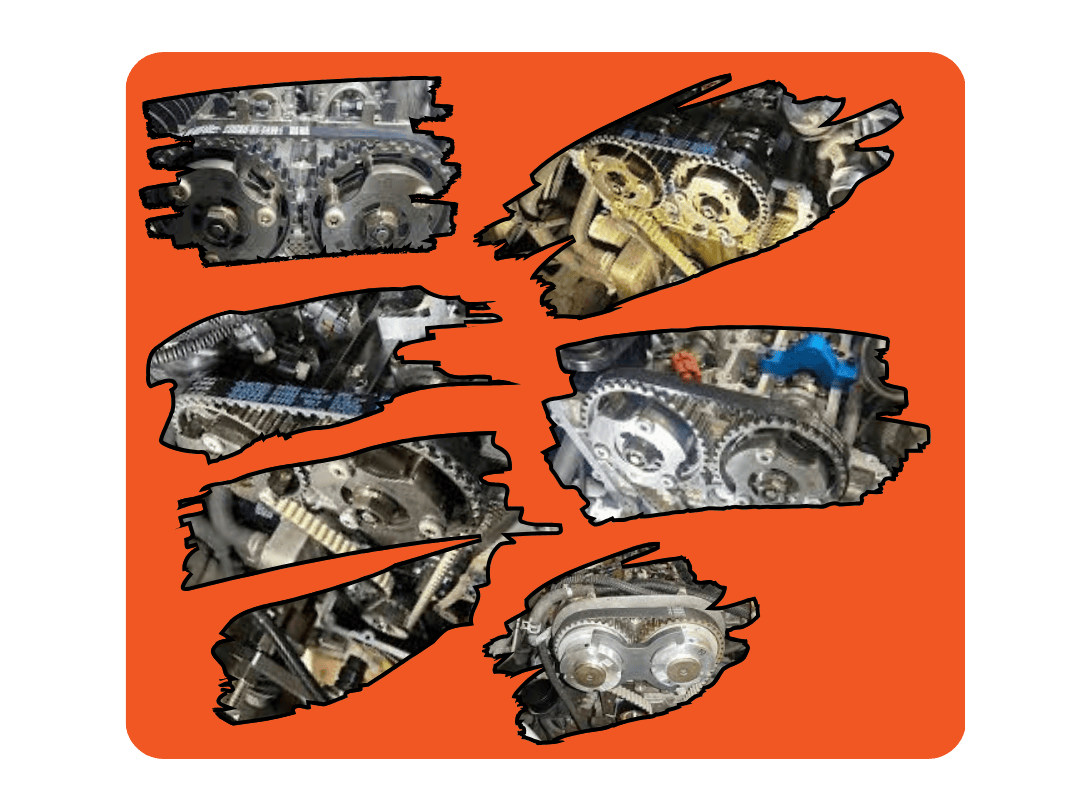
A major topic in 2026 is the Wet Belt. Unlike traditional rubber belts, these run inside the engine oil. They are common in the Ford 1.0 EcoBoost and Peugeot/Citroën 1.2 PureTech engines. If the oil isn’t changed on time, the belt degrades, and rubber particles clog the oil pump, leading to total engine failure.
The "Ticking Time Bombs" | Timing Belts and Wet Belts
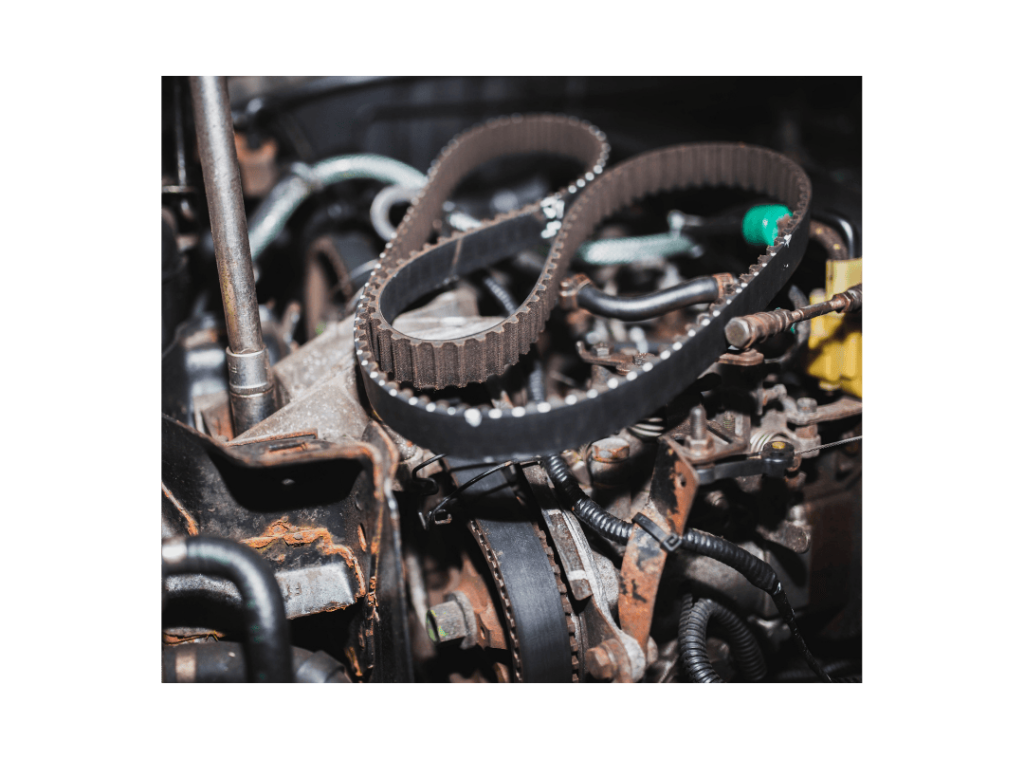
Perhaps the most critical “non-annual” item is the Timing Belt (also known as the Cambelt). This is a reinforced rubber belt that synchronises the top half of your engine (valves) with the bottom half (pistons).
The Risk – If this belt snaps while you are driving, the internal parts of the engine will collide at high speed. This causes catastrophic engine failure, usually resulting in a repair bill that costs more than the car is worth.
The Schedule – Most manufacturers recommend replacement every 60,000 to 100,000 miles, or every 5 to 10 years.
The Wet Belt – As discussed earlier, modern engines like the Ford EcoBoost and Peugeot PureTech use a “Wet Belt” which runs inside the engine oil. These require even stricter adherence to oil quality and change intervals. If the oil is neglected, the belt begins to “shed” rubber, which clogs the oil pump and starves the engine of lubrication.
The "Home Health Check" What You Can Do
Weekly
The “Walk-Around”
Lights: Verify all headlights, indicators, and brake lights are working.
Tyres: Look for cuts, bulges, or nails.
Fluids: Check your dipstick for oil levels and top up your windscreen wash (it is a legal requirement to have wash in the reservoir).
Monthly
The “Health Check”
Tyre Pressure: Use a gauge to match your PSI to the manufacturer’s sticker (usually found inside the driver’s door).
Tread Depth: The UK legal minimum is 1.6mm. Use a 20p coin; if the outer band is visible, your tyres are dangerous and illegal.
Battery: Look for white crusty powder (corrosion) on the terminals. If your car struggles to start, the battery might need a voltage test.
Wiper Blades: If they streak or skip, they need cleaning or replacing.
Conclusion | The “Maintenance Dividend”
As we navigate through 2026, it is clear that the landscape of British motoring has changed. With the average car on our roads now reaching its tenth birthday, the margin for error in vehicle care has disappeared. We can no longer treat our cars as “disposable” appliances; instead, they are high-value assets that require a strategic approach to survive the demands of modern driving.
The choice for South East motorists is simple: you can be proactive or reactive.
Choosing to be proactive by following the maintenance plans outlined in this guide doesn’t just keep your car legal—it pays a “Maintenance Dividend.” This dividend comes in the form of higher fuel efficiency, a higher resale value when you eventually sell, and, most importantly, the avoidance of those multi-thousand-pound “emergency” bills that can derail a family budget.
Why CCM Garages?
At CCM, we aren’t just a business; we are a multi-award-winning part of the Surrey and Sussex community. We understand that trust is earned in the workshop, not the showroom. By choosing an independent specialist over a main dealer, you aren’t sacrificing quality—you are gaining transparency. We provide:
Dealer-level diagnostics and manufacturer-specific servicing.
Honest, plain-English advice on what needs doing now and what can wait.
The personal touch that has earned us our recent string of 5-star Google reviews.
Your car is one of the most significant investments you’ll make. Don’t leave its future to chance or wait for a warning light to tell you there’s a problem. Take control of your vehicle’s health today and enjoy the peace of mind that comes with a truly well-maintained machine.
Is your car due for its 2026 health check? Whether you’re in Cranleigh, Ewhurst, or Gatwick, our team is ready to help you stay ahead of the curve. Click Below or give your local branch a call to discuss a bespoke maintenance plan for your vehicle.
23rd January 2026
Why Regular Vehicle Maintenance Trumps Costly Repairs in the UK
In 2026, the average UK household spends between £500 and £600 annually on routine…
Read Post

7th November 2025
Winter Invaders | How Rodents Turn Your Car into a Costly Nest
At CCM, we’ve seen first hand how these small creatures can cause enormous, complex,…
Read Post

31st October 2025
The £3.5 Million Gamble | Driving without a valid MOT, why risk it?
New research reveals that almost 35,000 motorists were caught in this period, highlighting…
Read Post
15th October 2025
Don’t Get Caught Out | CCM’s Ultimate MOT Myth-Busting Guide
The annual MOT test is a cornerstone of UK road safety, administered under the watchful…
Read Post

30th July 2025
Breathe Easy | Why Your Cabin Air Filter Deserves More Attention Than You Think
Whether it's the daily commute, the school run, or a weekend getaway, your vehicle…
Read Post
21st July 2025
AdBlue: The Diesel Driver’s Friend… or Foe
Vehicles from the 2015-2018 period (now 7-10 years old) are entering an age bracket…
Read Post
20th January 2025
Most Drivers Don’t Know if Their Tyres are Illegal!
Did you know that most drivers on UK roads are unaware of the legal requirements…
Read Post

16th January 2025
Data Reveals Motorists Neglect Maintenance, Creating Dangerous Drivers
Neglected vehicles are on the rise! As temperatures plummet and icy conditions loom,…
Read Post